
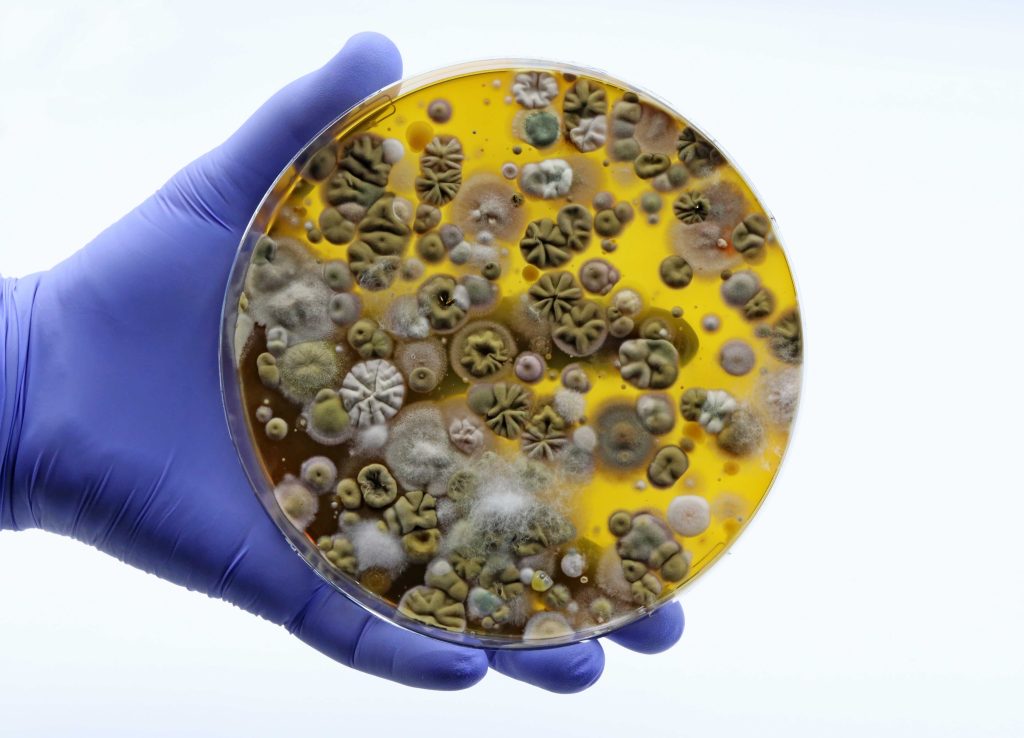
Mould growth is a common concern for property owners in Port Colborne, Ontario, particularly in homes and buildings affected by moisture intrusion, flooding, high humidity, or aging construction materials. Because mould can impact indoor air quality, building materials, and occupant health, proper mould sampling and professional interpretation are essential when concerns arise.
This article provides a detailed overview of mould sampling in Port Colborne, Ontario, including when sampling is appropriate, how it is conducted, what the results mean, and why working with an experienced local consultant is critical for reliable and defensible outcomes.
Understanding Mould and Indoor Air Quality
Mould is a naturally occurring fungus that grows in damp or humid environments. Outdoors, mould plays an important role in breaking down organic matter. Indoors, however, uncontrolled mould growth can damage building materials and contribute to air quality concerns.
In Port Colborne, common indoor mould conditions are often associated with:
• Basement moisture and foundation leaks
• Seasonal flooding or high groundwater
• Poor ventilation in bathrooms and kitchens
• Roof or window leaks
• HVAC condensation issues
• Crawlspaces and older construction assemblies
Mould releases spores and fragments into the air. While mould spores are present in all environments, elevated indoor levels or atypical species may indicate a moisture problem requiring investigation and corrective action.
When Mould Sampling Is Appropriate
Mould sampling is not always the first step in a mould investigation. A qualified professional will determine whether sampling is warranted based on visual evidence, moisture conditions, occupant concerns, and building history.
Mould sampling in Port Colborne is commonly appropriate when:
• There is visible mould but the extent is unclear
• Occupants report persistent musty odours
• Health symptoms are reported and a baseline is needed
• There is a real estate transaction or due diligence requirement
• Post-remediation verification is required
• Insurance or legal documentation is needed
Sampling should be used as a diagnostic tool, not a substitute for identifying and correcting moisture sources.
Common Causes of Mould in Port Colborne Properties
Port Colborne’s proximity to the Detroit River and Lake Erie, combined with seasonal humidity and older building stock, creates conditions where moisture issues are common.
Typical mould contributors in the area include:
• High groundwater and foundation seepage
• Inadequate exterior drainage
• Aging building envelopes
• Flooding events and sewer backups
• Poorly insulated walls leading to condensation
• Improperly sized or maintained HVAC systems
Understanding local building characteristics helps ensure mould sampling is targeted and meaningful.
Types of Mould Sampling Methods
Professional mould sampling in Port Colborne may involve several methods, depending on the concern and objectives of the investigation.
Air Sampling
Air samples measure airborne mould spore concentrations inside a building and compare them to outdoor reference samples. This helps determine whether indoor levels are elevated or atypical.
Surface Sampling
Surface samples are collected from visible suspect growth to confirm whether it is mould and, in some cases, to identify the type of mould present.
Bulk Sampling
Bulk samples involve removing a small piece of building material to assess mould growth within or behind materials such as drywall or insulation.
Dust Sampling
In limited cases, dust samples may be used to assess long-term mould accumulation, particularly in buildings with intermittent moisture issues.
A qualified consultant will select the appropriate sampling method based on the specific conditions present.
The Importance of Proper Sampling Strategy
Improper mould sampling can produce misleading or unusable results. Sampling strategy is just as important as the laboratory analysis itself.
Professional mould sampling ensures:
• Samples are collected from representative locations
• Outdoor reference samples are properly used
• Sampling occurs under appropriate conditions
• Cross-contamination is avoided
• Results can be meaningfully interpreted
Random or poorly planned sampling often leads to confusion rather than clarity.
Laboratory Analysis and Interpretation
Mould samples are typically analyzed by accredited laboratories using microscopy methods. Results are reported as spore counts, fungal structures, or qualitative identifications depending on the sample type.
Interpreting mould results requires professional judgment. There are no universally accepted regulatory limits for indoor mould levels in Ontario. Instead, interpretation is based on:
• Comparison of indoor and outdoor samples
• Types of mould present
• Moisture indicators
• Building use and occupancy
• Health and sensitivity considerations
An experienced consultant explains what the results mean in practical terms and how they relate to the specific building.
Mould Sampling and Health Concerns
Many Port Colborne residents seek mould sampling due to health symptoms such as respiratory irritation, headaches, or allergy-like reactions. While mould sampling cannot diagnose medical conditions, it can help determine whether indoor environmental conditions may be contributing factors.
Mould sampling may support:
• Discussions with healthcare providers
• Decisions regarding remediation
• Temporary relocation considerations
• Risk communication with occupants
Clear communication about what mould testing can and cannot determine is essential.
Mould Sampling for Real Estate Transactions
Mould sampling is increasingly requested during real estate transactions in Port Colborne, particularly for older homes or properties with a history of water damage.
In these situations, mould sampling may:
• Provide baseline indoor air quality information
• Identify hidden or unresolved moisture issues
• Support negotiation or remediation planning
• Document conditions at the time of purchase
Professional reporting ensures results are defensible and understandable to buyers, sellers, and lenders.
Post-Remediation Verification Sampling
After mould remediation, verification sampling may be conducted to confirm that conditions have been successfully addressed.
Post-remediation mould sampling typically includes:
• Visual inspection of remediated areas
• Moisture measurements
• Air sampling to confirm normal fungal ecology
• Documentation for owners, insurers, or property managers
Verification provides assurance that remediation was effective and that the space is suitable for re-occupancy.
Mould Sampling in Commercial and Institutional Buildings
Commercial, municipal, and institutional buildings in Port Colborne often have additional considerations due to occupancy levels, worker safety obligations, and liability exposure.
Mould sampling in these settings may support:
• Occupational health and safety programs
• Building condition assessments
• Facility management decisions
• Regulatory or insurance documentation
Professional consultants understand how to tailor mould investigations to larger or more complex facilities.
The Role of Moisture Investigation
Mould sampling without addressing moisture is incomplete. Effective mould assessments always include moisture investigation.
A professional mould consultant will typically assess:
• Building envelope conditions
• Plumbing systems
• HVAC operation
• Relative humidity and temperature
• Past water damage events
Identifying and correcting moisture sources is the most important step in preventing future mould growth.
Common Misconceptions About Mould Sampling
There are several common misunderstandings about mould sampling that professionals frequently encounter.
Common misconceptions include:
• All mould is dangerous or toxic
• Mould sampling alone solves the problem
• Any mould result means remediation is required
• DIY test kits provide reliable conclusions
Professional guidance helps avoid unnecessary remediation or false reassurance.
Choosing a Mould Sampling Professional in Port Colborne
Selecting the right consultant is critical for reliable results and practical recommendations.
Key considerations include:
• Experience with local building types
• Use of accredited laboratories
• Clear, plain-language reporting
• Strong understanding of moisture science
• Ability to explain results and next steps
Local expertise matters when assessing buildings influenced by Port Colborne’s climate and construction history.
Documentation and Reporting
Professional mould sampling reports provide more than laboratory data. A complete report typically includes:
• Site observations
• Sampling rationale and locations
• Laboratory results
• Interpretation and conclusions
• Practical recommendations
Clear documentation supports informed decision-making and provides a record of due diligence.
Preventing Future Mould Issues
While mould sampling helps identify existing concerns, prevention focuses on moisture control and building maintenance.
Preventative measures often include:
• Improving drainage and grading
• Maintaining roofing and flashing
• Controlling indoor humidity
• Ensuring proper ventilation
• Addressing leaks promptly
A professional consultant can often provide targeted recommendations based on site conditions.
The Value of Local Mould Sampling Expertise
Port Colborne’s mix of historic homes, waterfront properties, and newer developments presents unique mould-related challenges. Local consultants understand:
• Common moisture pathways in the area
• Seasonal humidity patterns
• Typical construction methods
• Regional flooding and drainage issues
This knowledge leads to more accurate assessments and practical solutions.
Conclusion: Mould Sampling in Port Colborne, Ontario
Mould sampling is a valuable tool for understanding indoor air quality concerns in Port Colborne, Ontario, when it is conducted thoughtfully and interpreted by an experienced professional. Whether addressing health concerns, moisture damage, real estate due diligence, or post-remediation verification, professional mould sampling provides clarity and supports informed decisions.
By combining targeted sampling, moisture investigation, and clear reporting, qualified consultants help property owners protect their buildings, their occupants, and their long-term investment. Engaging a local mould sampling professional ensures results that are accurate, defensible, and relevant to Port Colborne’s unique building environment.
Contact IES today to see how we can provide peace of mind at your Port Colborne location.